english
  deutsch
  français
Women Composers in Focus: 14 Orchestral Works
- 3 Aug 2026

From Augusta Holmès’s monumental tone poem Roland Furieux to the most recent orchestral works by Elis Hallik and Golfam Khayam, this selection spans 150 years of music history. The works could hardly be more different: from Romantic symphonic writing and concert overtures to poetic soundscapes and experimental orchestral sonorities. At the same time, they reflect the composers’ diverse cultural backgrounds and musical traditions, demonstrating the breadth with which women composers have shaped and enriched the orchestral repertoire.
We present 14 works with listening examples: an invitation to discover a wide range of orchestral music, find inspiration for varied concert programmes and broaden the repertoire.
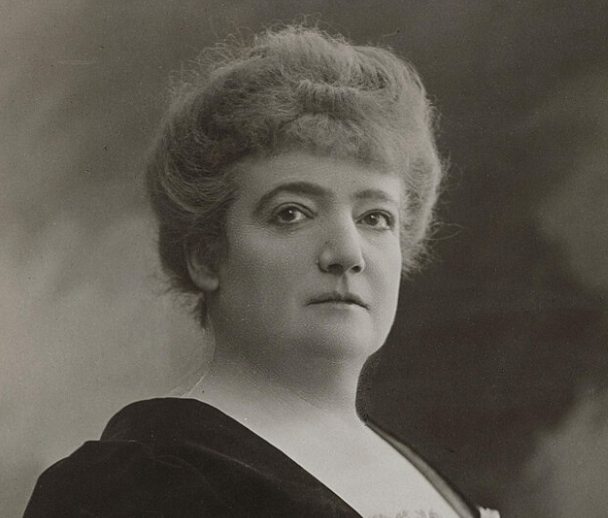 |
Augusta Holmès: Roland FurieuxWith her Irish-French background, Augusta Holmès (1847–1903), a pupil of César Franck and the first woman composer whose opera was premiered at the Paris Opéra in 1895, ranks among the most fascinating figures in late nineteenth-century French music. Roland Furieux (1875/76), based on Ludovico Ariosto’s famous Renaissance epic, tells the story of the frenzied knight Roland with dramatic momentum and effective orchestral writing. |
 |
Elis Hallik: OririEstonian composer Elis Hallik (b. 1986) is one of the internationally sought-after voices of the younger Baltic music scene; her works combine mathematical precision with a keen sensitivity to sound. Oriri (2025) is dedicated to the Estonian Festival Orchestra and Paavo Järvi, leading listeners from a quiet, mysterious sound world towards a luminous musical unfolding. |
 |
Noriko Koide: Swaddling Silk and Gossamer RainDrawing on Japanese and Southeast Asian musical traditions, Noriko Koide (b. 1982) creates orchestral music distinguished by inventive orchestration, subtle sonorities and delicate resonances. Swaddling Silk and Gossamer Rain (2022) unfolds a delicate, shimmering soundscape in which fine textures and resonances merge into a multilayered orchestral fabric. |
 |
Katherine Balch: Leaf FabricAmerican composer Katherine Balch (b. 1991) takes everyday sounds, natural phenomena and scientific observations as the starting point for imaginative orchestral music. Leaf Fabric (2017), commissioned for the Suntory Summer Arts Festival in Tokyo, grew out of ultrasonic recordings of water transport in pine trees and renders their delicate acoustic structures audible in the orchestra. |
| ▶ Listen on SoundCloud | |
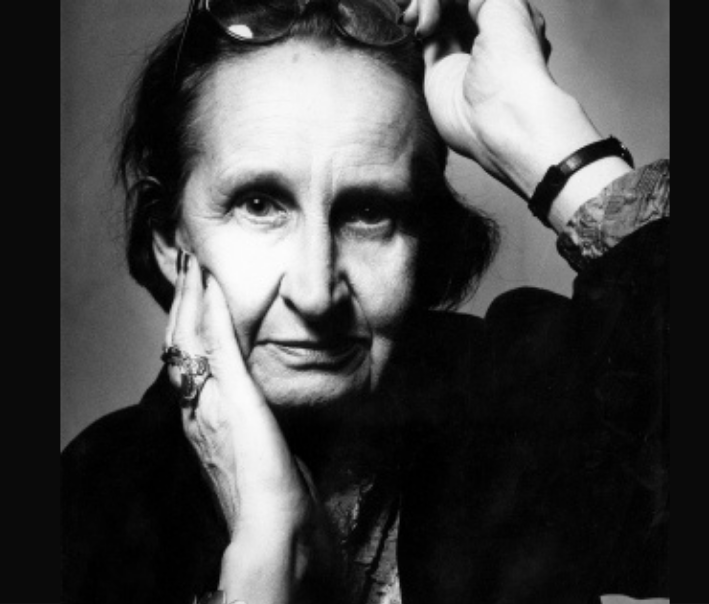 |
Elisabeth Lutyens: Music for Orchestra IIOne of the first British composers to embrace twelve-tone technique, Elisabeth Lutyens (1906–1983)—playfully nicknamed “12-Note Lizzie” by her contemporaries—became a pioneer of musical modernism in England. Music for Orchestra II (1962) exemplifies her uncompromising commitment to musical modernism, unfolding a dense web of brief, overlapping sound gestures that repeatedly converge for fleeting moments before dissolving again. |
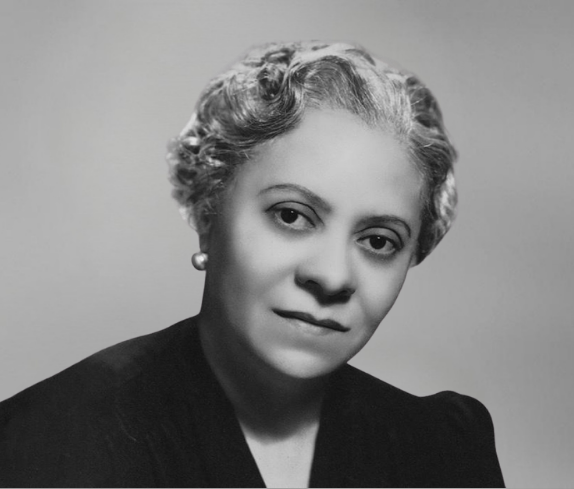 |
Florence Beatrice Price: Concert Overture No. 2Florence Beatrice Price (1887–1953) is now among the most frequently performed rediscovered composers of the twentieth century. Her music combines the symphonic tradition with African American influences. Concert Overture No. 2 (1943) was considered lost for decades and weaves the spirituals Go Down Moses, Nobody Knows the Trouble I've Seen and Ev'ry Time I Feel the Spirit into a vivid concert opener. |
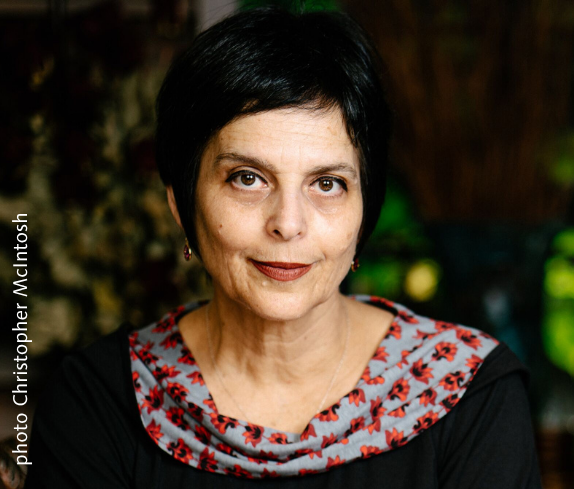 |
Chaya Czernowin: Unforeseen dusk: bones into wingsBorn in Israel and now based in the United States, composer Chaya Czernowin (b. 1957) is one of the most influential voices in international contemporary music. Composed for the 2024 Donaueschingen Music Days, Unforeseen dusk: bones into wings (2023) brings voices and orchestra together in an archaic sound world in which breath, noise and movement themselves become musical expression. |
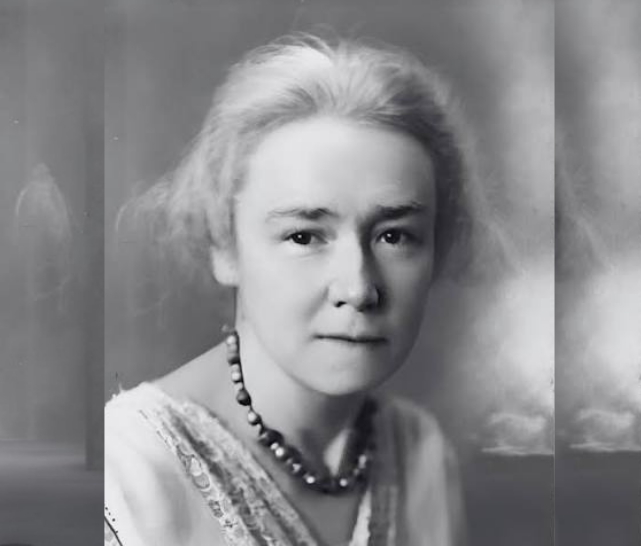 |
Johanna Senfter: Symphony No. 1A master pupil of Max Reger, Johanna Senfter (1879–1961) composed nine symphonies—one of the most extensive symphonic oeuvres by a woman composer of her time—and displayed exceptional contrapuntal skill from an early age. Symphony No. 1 in F major (1914) combines broad melodic lines with the rich sonority of late Romanticism and already reveals the compositional maturity found throughout her symphonic output. |
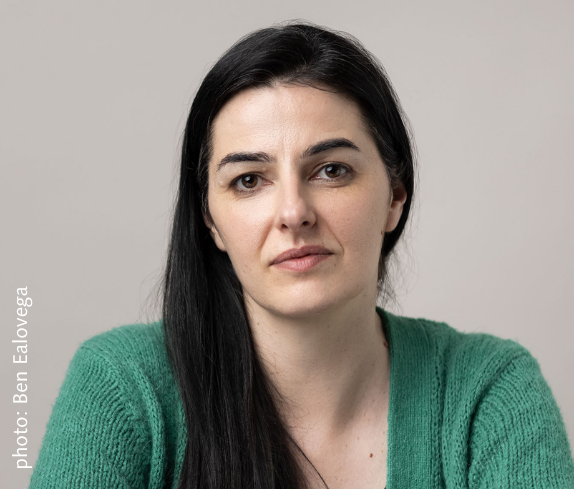 |
Dobrinka Tabakova: Earth SuiteBorn in Bulgaria and now based in London, Dobrinka Tabakova (b. 1980) is one of Europe’s most sought-after orchestral composers; her works combine an approachable, melodically driven musical language with finely judged orchestration. Earth Suite (2018–2024) is inspired by “the overwhelming power of nature” and comprises four orchestral works that may also be performed independently: I Tectonic, II Pacific, III Timber & Steel and IV Rewilding. |
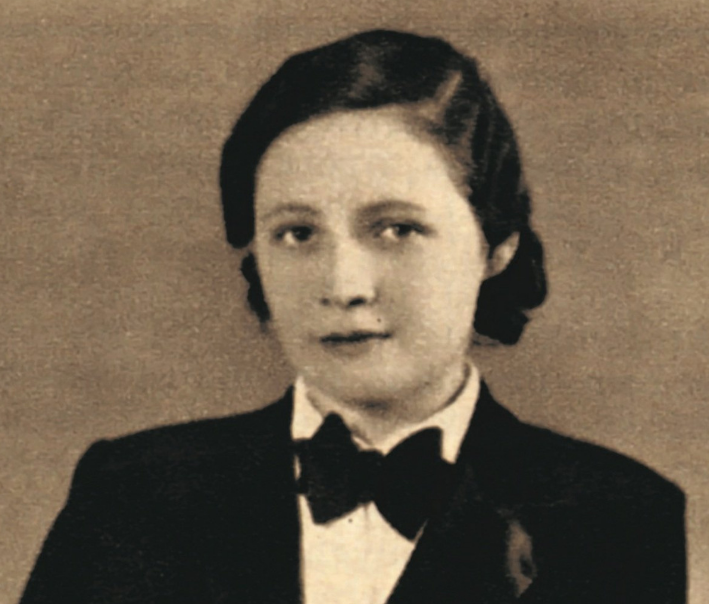 |
Vítězslava Kaprálová: Suita RusticaBy her early twenties, Vítězslava Kaprálová (1915–1940), whose musical path led from Brno via Prague to Paris, was already regarded as one of the most promising composers and conductors of her generation. She studied with Bohuslav Martinů and Charles Munch, among others, before her early death brought her remarkable career to an end. Suita Rustica (1938) draws on elements of Czech folk music, combining them with dance-like energy and lively symphonic writing. |
 |
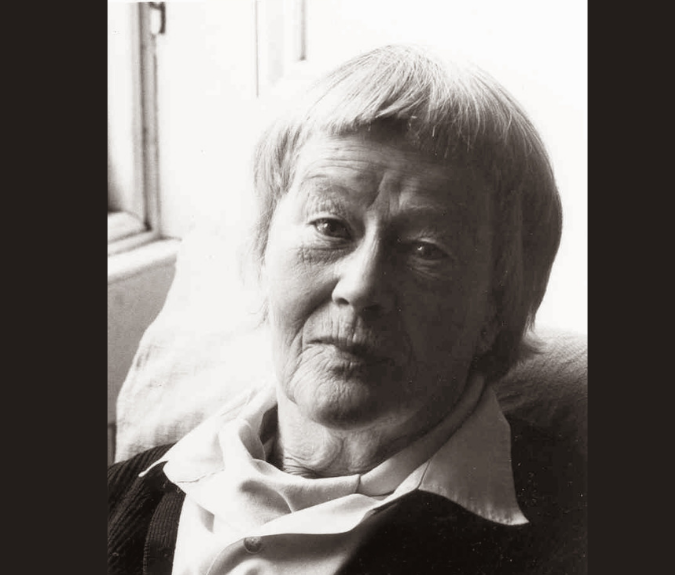
Golfam Khayam: Double ConcertoIn her compositions, Golfam Khayam (b. 1982) combines Persian musical traditions with a contemporary musical language and repeatedly engages with questions of identity, memory and cultural heritage. Double Concerto for viola, santur and chamber orchestra (2024) takes its cue from the words “We have endured loneliness and silence, and [our hearts] still beat in the depths of the ashes …”. |
 |
Priaulx Rainier: Aequora LunaeRaised in South Africa and later professor of composition at the Royal Academy of Music in London for many years, Priaulx Rainier (1903–1986) drew inspiration from the sounds of nature and developed a musical language of her own. Aequora Lunae (1967), a seven-movement orchestral suite, is inspired by the “Seas of the Moon.” Two orchestral groups represent the light and dark sides of the moon, while each movement is named after a lunar feature described by early astronomers and is distinguished by its own characteristic orchestration. |
| ✉ Request a listening sample | |
 |
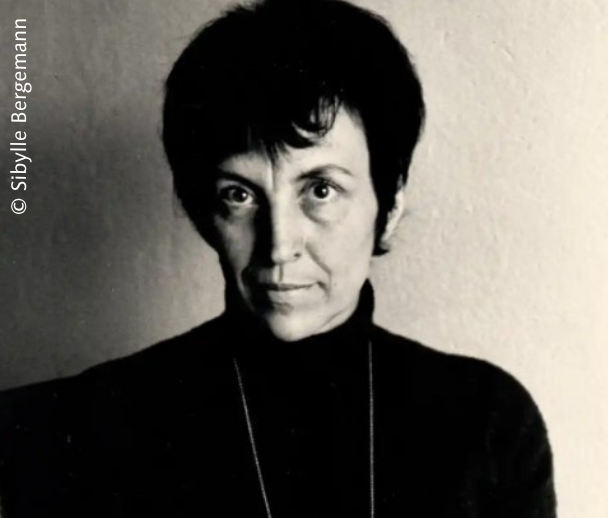
Malika Kishino: WolkenatlasJapanese composer Malika Kishino (1971) studied in Japan and Europe. Her chamber and orchestral works are based on the concept of a “sound organism”, in which acoustic and electronic elements, together with extended instrumental techniques, merge into a dynamic whole. Wolkenatlas for large orchestra (2022) takes as its point of departure the questions, “How many stars are there? And how many clouds?”, unfolding a musical landscape in which observations of nature, scientific curiosity, and imagination converge. |
 |
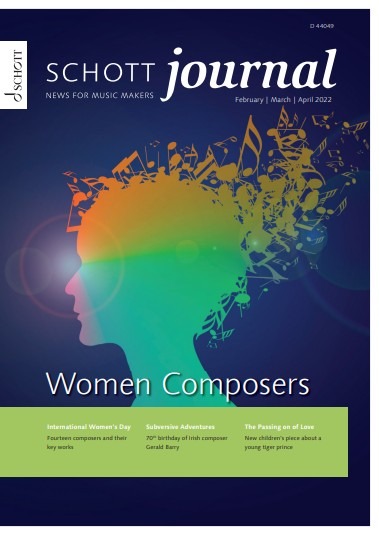
Ruth Zechlin: Triptychon 2000German composer Ruth Zechlin (1926–2007) taught for more than three decades at Berlin's Hanns Eisler School of Music while pursuing an equally distinguished career as a harpsichordist, organist, and composer, creating an exceptionally diverse body of more than 300 works spanning virtually every musical genre. The three-movement orchestral work Triptychon 2000 (1997/99) leads the listener through contrasting musical states in its movements Inferno, Mystifikation, and Laudate, unfolding a compelling dramatic trajectory. |
 |
Discover moreDiscover further works, composers and |