english
  deutsch
  français
The Viola in 2026: Events, New Releases, and more
- 20 Jan 2026
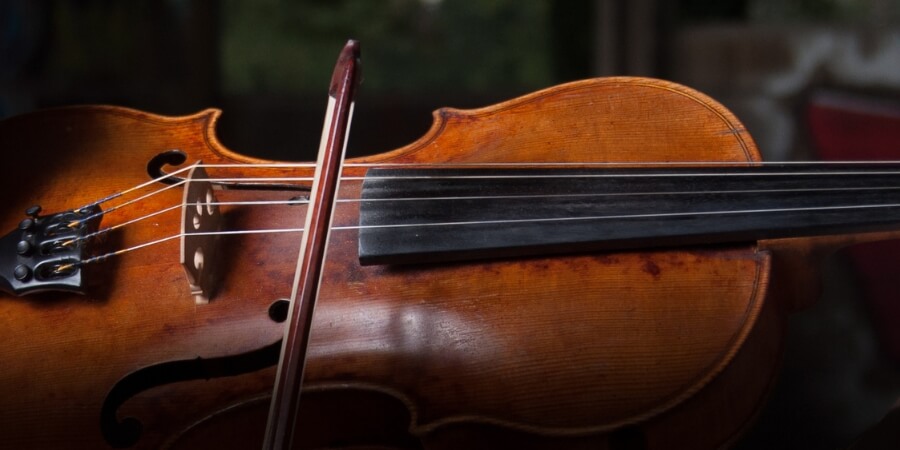
January sets the stage for the Viola on both sides of the Atlantic. Whilst the instrument is celebrated in the USA openly, with performances alongside teaching initiatives set as part of National Viola Day, in Europe there are various events that happen to coincide, bringing a well-deserved spotlight to the instrument. Through no specific collaboration across the western hemisphere, January has quietly become a rather significant month for viola players and enthusiasts.
Whilst National Viola Day provides a clear focal point in the US, the viola gains a more nuanced prominence across Europe through a mixture of competitions, congresses, and festivals that pique interest from much further abroad, all with the mission of drawing attention to the instrument and its repertoire. When viewed together, these moments suggest that January has slowly but surely evolved into a regular period of visibility for the viola; one shaped by real engagement!
A Stateside Celebration
Across the pond, National Viola Day finds its roots firmly in the US’s classical music community. Whether in educational or professional circles, music schools, conservatoires or universities; the instrument is celebrated through all sorts of mediums, including events and social media posts, all bringing viola repertoire and pedagogy to the forefront.
Although the day is not observed in Europe, its timing couldn’t be any better. It happens at a moment where Europe commits to a wide variety of events that place the instrument at the centre of serious artistic activity. Despite a seeming lack of tangible viola-playing, National Viola Day is intended more as a pure celebration of the wondrous alto string instrument!
Flying Back to Europe
Until recently, the triennial Lionel Tertis International Viola Competition maintained a presence as one of the most significant viola events of the given year. This has now been paired with the Cecil Aronowitz International Viola Competition; their first joint event was held in Gateshead in 2025. Offerings included the expected competitive rounds, as well as recitals, workshops, and masterclasses, allowing for a true hub of viola students, professionals, and performers to mix together. That said, on off years for the two competitions, they still provide numerous outlets across the year, including their Viola Days events to be found throughout the UK. The next Tertis Aronowitz Viola Competitions will be held in January 2028.
Also occupying January in Europe, at least for 2026, is the 50th International Viola Congress, taking place this year in Paris. This brings viola supporters of all stripes together for a few days of concerts and discussion, further cementing January as a month for violists worldwide.
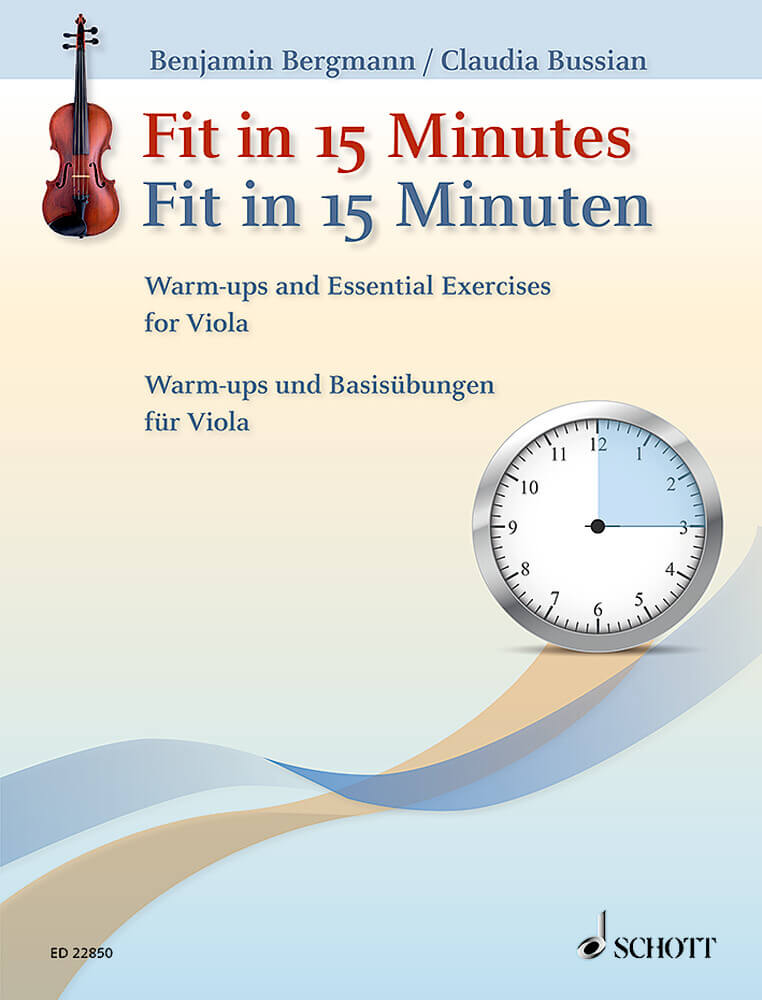 |
Fit in 15 MinutesBenjamin Bergmann / Claudia BussianFit in 15 Minutes is intended for occasional players who are very short of time and wish to maintain and improve their viola technique in a concentrated and effective quarter of an hour. They can also be used at the beginning of a longer practice or rehearsal session. Subdivided into three performance levels, this single volume is suitable for beginners to advanced level players as well as for conservatoire students and professionals.
|
Lionel Tertis: Viola Icon
|
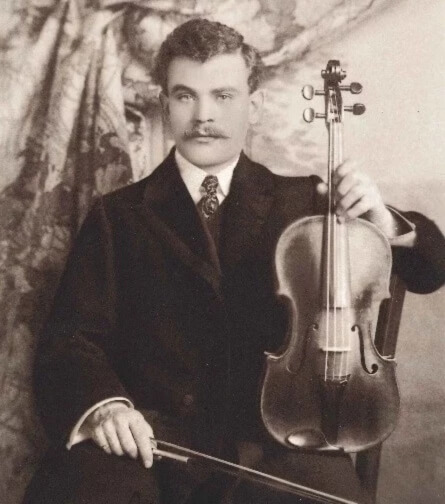
Turning back for a moment: the naming of the Tertis Competition is no coincidence. Among the pantheon of noted violists, Lionel Tertis (1876–1975) ranks very high indeed, with his efforts gaining him a place among the most influential figures in the viola’s history, providing a necessary spotlight not only on what the viola is but also what it could be if pushed that bit further. Born in the United Kingdom in 1876, Tertis pioneered the viola, encouraging colleagues and students at the Royal Academy of Music to compose music for the instrument, expanding the repertoire and helping to shape its modern sound. As a result, the works created with this motivation required great technique and a level of expressive depth that secured the violist’s position as a specialist musician, as opposed to a violinist’s second. |
 |
As such, given his extensive advocacy, Tertis’ legacy has fed directly into the identity of viola activity today. The competitions and festivals that bear Tertis’ name continue this advocacy, treating the viola as an instrument worthy of attention and spectacle, with much regard held for the high artistic standards that exist within the classical music sphere.
Repertoire and Education
As the instrument has gained such prominence in the past century, the educational materials associated with it have changed in-line with the increased volume of repertoire. Where violists of the past would rely on transcriptions, modern publications provide a much larger variety of sheet music and works that have the instrument’s character in mind from the outset.
This can be seen in collections like the Grade by Grade editions for Viola, published by Boosey and Hawkes, which provides grade-appropriate repertoire that’s both technically appropriate and also musically rewarding, helping to better reinforce the identity of the instrument from the earliest stages of practice.
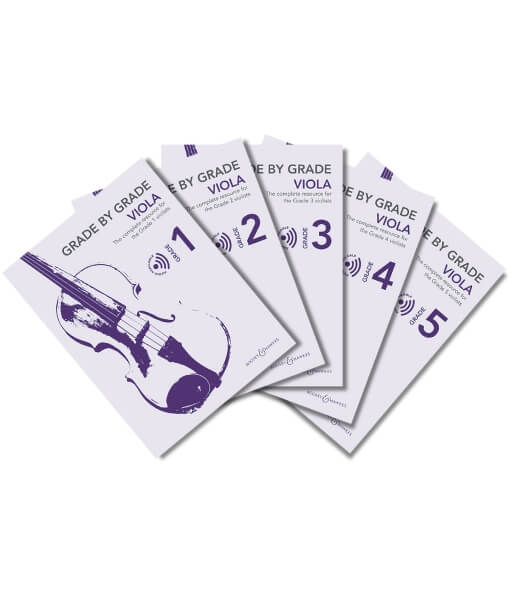 |
Grade by Grade: ViolaEd. Liz PartridgeJust getting started on the viola and need a leg up? The Grade by Grade series, published by Boosey & Hawkes, has been a mainstay of instrumental tuition, and it’s not hard to see why. Alongside engaging pieces, the series includes practical practice material, piano accompaniments, and online resources, making it a helpful and reassuring companion for lessons, exams, and performance preparation. The latest editions cover Grades 1–5 for the Viola, with works carefully selected by Liz Partridge!
|
Coda
For violists worldwide, January acts as a great launchpad for the rest of the year. Its focus on advocacy, representation among relevant musical circles, and overall celebration of its identity is a boon for the instrument.