english
  deutsch
  français
Sheet Music Editions Explained: Urtext, Performance & More
- 28 Aug 2026

So, you’ve decided to buy some sheet music, whether to simply learn a piece, study a score, or just to follow along with the music; fantastic!
You head over to your favourite sheet music retailer and have a look for the work you’re after, quickly realising that you’ve got a rather surprising number of options. One edition is marked as Urtext, another one has been edited by a performer you’ve seen playing the piece on YouTube, whilst a third edition appears as part of a larger collection. Some are intended for performers, others are geared towards students, and still more are there for all sorts of reasons.
There’s a question hanging in the air: does it actually matter which edition you choose?
In short: yes, but not for the reason you might think.
What is an “edition”? How many types are there?
The journey a piece of music makes from the composer’s manuscript to the printed score you’ve got sitting on your music stand is rarely straightforward.
Along the way, editors can make decisions about how the music should be presented, and they can add fingerings, bowings, phrasing suggestions, ideal dynamic markings, performance notes and whatever else they believe will help the player.
These additions can be helpful, especially for students, but they have an effect on how a musician might encounter the work. Understanding the type of edition you’re using can say much about what you intend to get from it.
It could be you’re looking for a fresher approach via an Urtext edition, some expert know-how and interpretation from a performance score, a study score for analysis or some good old reading, all the different editions serve different needs.
Urtext Editions Explained
“Urtext” is German for “original text”, and thus Urtext editions are aimed at matching the music as closely as possible with the composer’s intentions, basing this on manuscripts, first editions, and other primary sources.
Unlike many other edited scores, they mostly avoid adding interpretive suggestions like fingers, phrasing, or dynamics. As such, they’re popular with advanced students and professional musicians who want to develop their own take on the work.
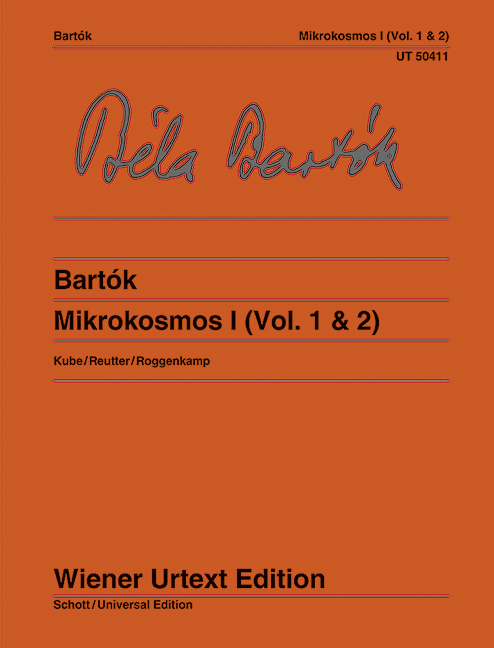
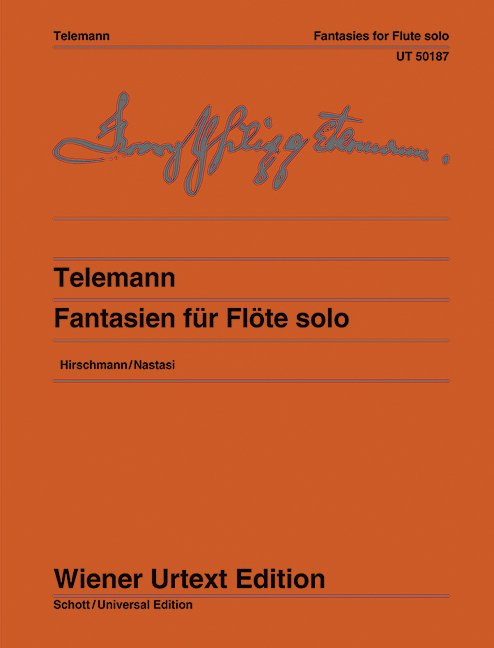
Wiener Urtext Edition is among the most respected names in the publishing of Urtext editions. Their catalogue includes everything from piano sonatas of icons like Mozart and Beethoven, as well as the piano works of Schubert, making them a useful reference point if you’d like to explore what a quality Urtext edition typically provides.
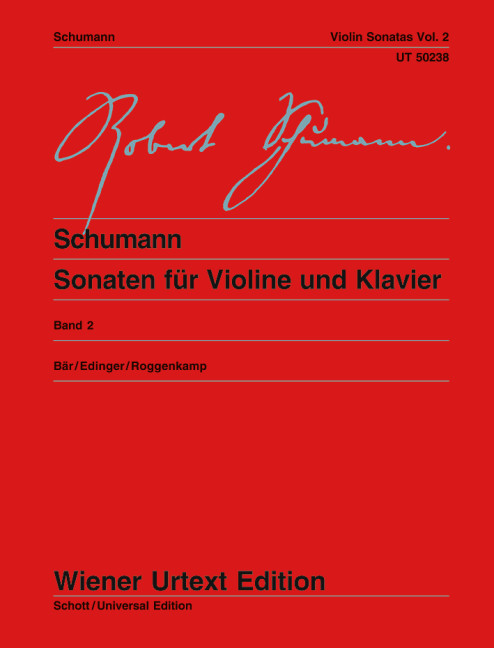
Schumann:
Sonata for Violin and Piano
Violin and Piano
ISMN: 979-0-50057-258-9
Order No: UT50238
View in store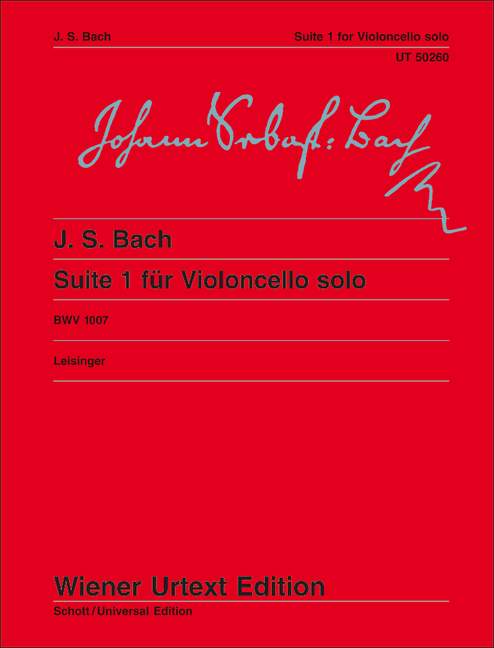
Performance Editions Explained
Meanwhile, performance editions sit at an opposing end of the spectrum. Often including editorial suggestions from well-known performers or teachers, these can appear in the form of suggestions for fingering and bowing, as well as their preferred phrasing and tempo.
This guidance can work wonders for students and developing musicians, giving an insight into how an experienced musician might approach the given work. That said, it’s important to remember that these editorial decisions reflect the interpretation of the one editing, and don’t constitute instructions for how to play the work in any sort of definitive way.
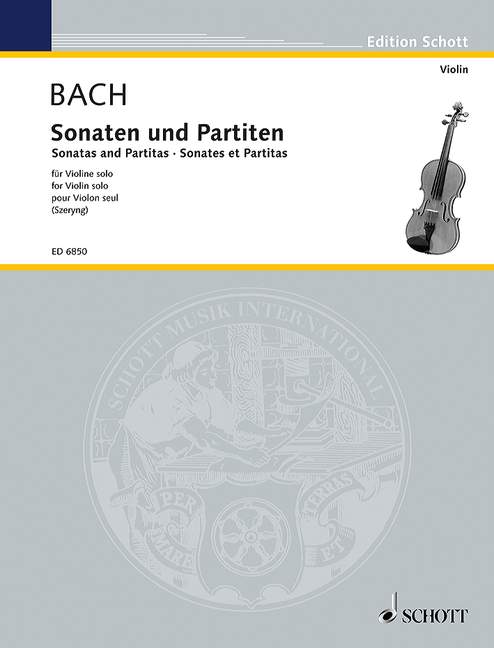
Henryk Szeryng (Ed.):
Bach Sonatas and Partitas
Violin
ISMN: 979-0-001-07254-0
Order No: ED 6850
View in store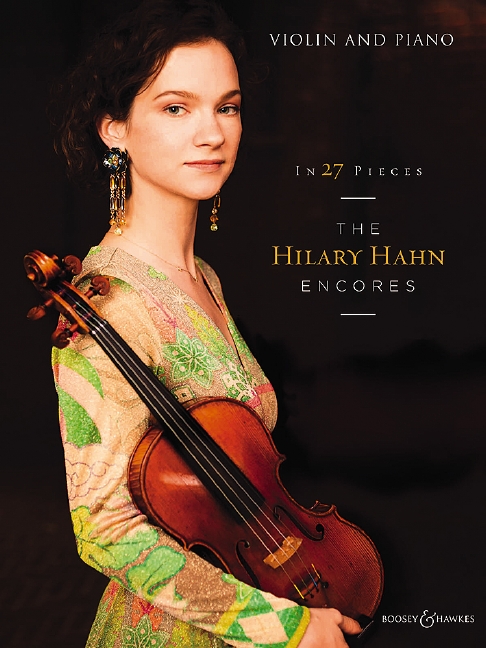
Hilary Hahn (Ed.):
In 27 Pieces – Encores
Violin
ISMN: 979-0-051-10793-3
Order No: BHI 10793
View in store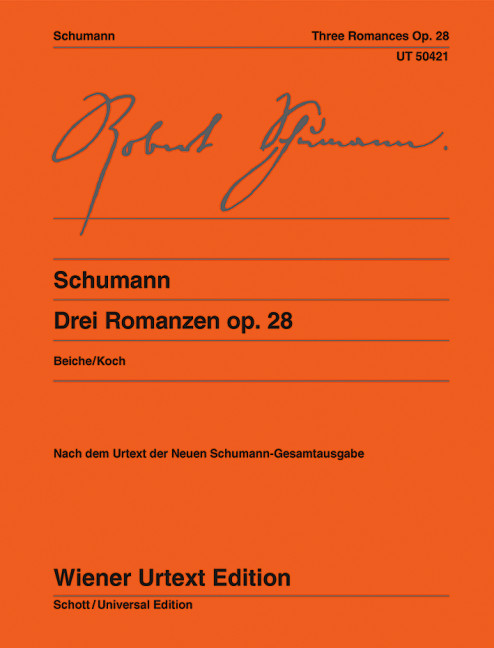
Michael Beiche (Ed.) and Tobias Koch (Notes)
Schumann Drei Romanzen op. 28
Piano
ISMN: 979-0-50057-410-1
Order No: UT50421
View in store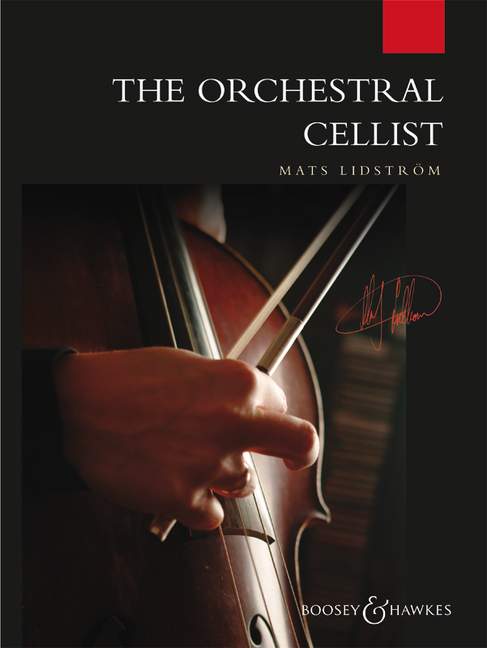
Mats Lidstroem (Ed.):
The Orchestral Cellist
Cello
ISMN: 979-0-060-11920-0
Order No: BH 11920
View in store
What other Edition types are there?
I suppose you’re still wondering about the other types of sheet music editions you can find out there, so let’s tackle some more prominent ones in miniature:
Study Scores
These small-format scores are intended for analysis and general music reading. They’re particularly useful for orchestral and large scale works.
Vocal Scores
Depending on how the original work is orchestrated, vocal scores feature a reduction of accompanying parts into a piano accompaniment with the vocal notation preserved as-is. These are commonly used by singers and accompanists in rehearsal.
Critical Editions
Scholarly editions that contain extensive commentary about sources, revisions, and editorial decisions around the printed notation. They sometimes include textual or visual reference to facsimiles, which are reproductions of original manuscripts taken from a given work's earliest surviving historical source.
Simplified Editions
You’ll probably have seen some books with titles that include statements like “for Easy Piano” or “for Easy Violin”. These are usually editions that contain arrangements of songs or pieces but lower the technical demands of the original work. Really useful for players at the beginning of their musical journey!
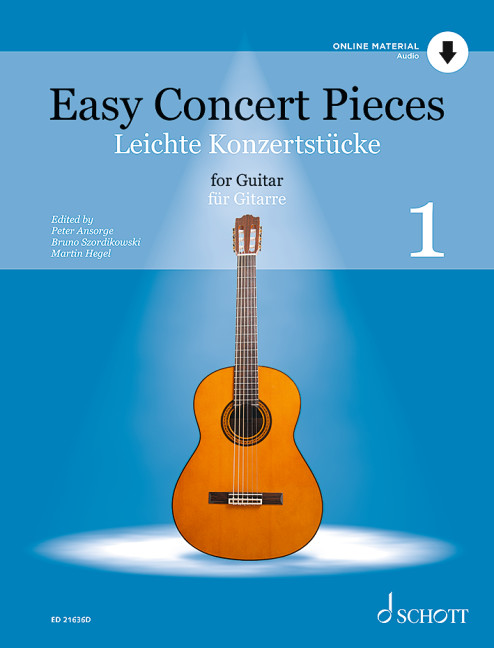
Easy Concert PiecesSpanning the Renaissance to Modern musical eras, the Easy Concert Pieces series includes original solo pieces, orchestral excerpts, and arrangements of classical masterpieces. Shop now |
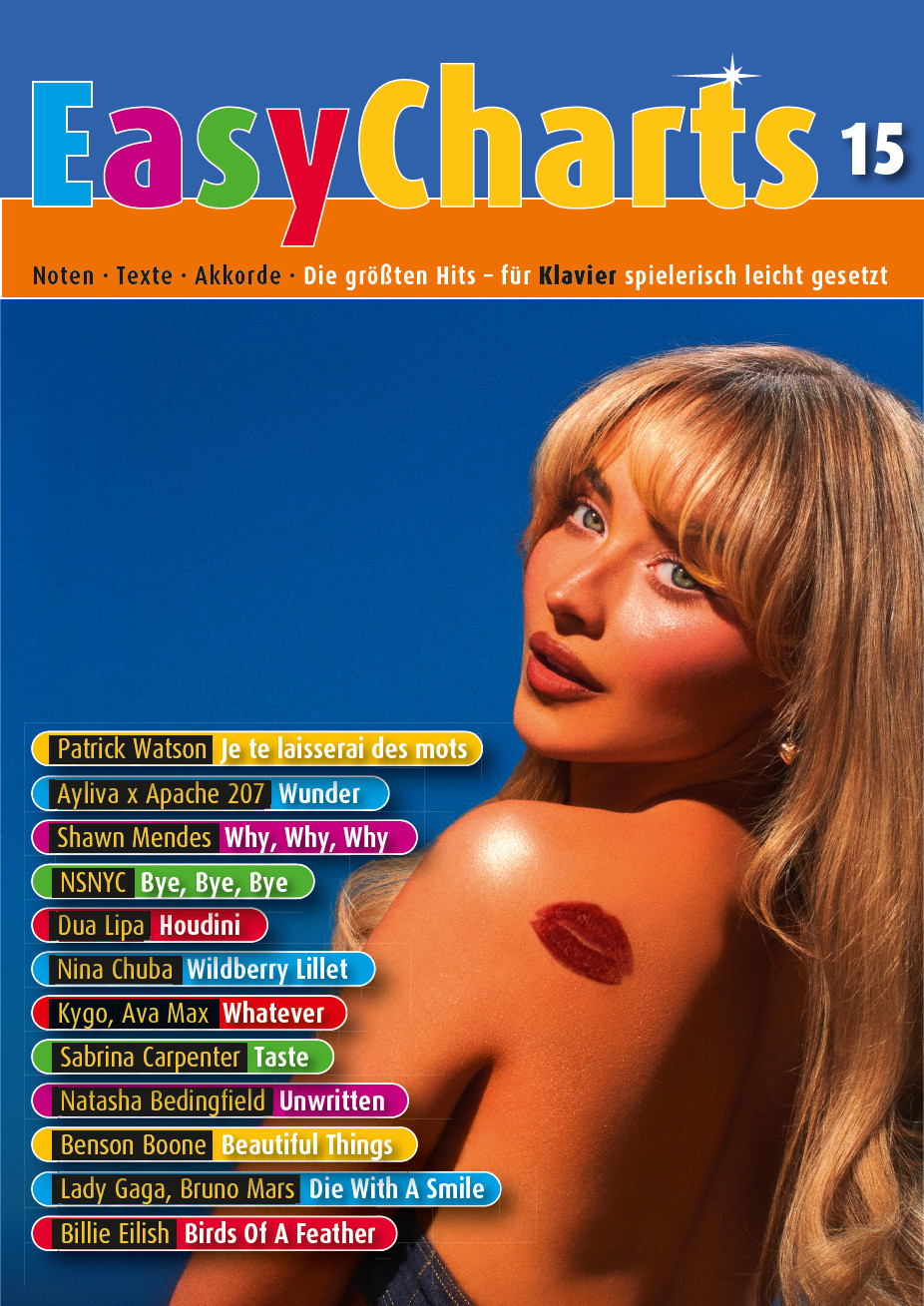
Easy ChartsThe Easy Charts series lets beginners play their favourite pop tunes with arrangements of the latest and greatest chart hits for piano, clarinet, trumpet, and many more instruments. Shop now |
How to choose the right Sheet Music Edition
So, which one's the right one for you? It all depends on what you want from it!
Though a piece, work or song might be included in a bunch of different editions, each one offers a useful lens through which to view the music. Musicians, students, teachers, hobbyists, whoever; they can all of them interact with the music in the way that they find best suits them!
FAQS
1. What is the difference between sheet music edition types?
Sheet music editions vary based on what a musician wants from their sheet music, here’s a table to break it down:
| Edition Type | Who is it for? |
| Urtext edition | Advanced students and professional musicians. |
| Performance score | Students and developing musicians. |
| Study score | Musicians analysing or reading along with a work. |
| Vocal score | Singers and accompanists. |
| Critical edition | Scholars and researchers. |
| Simplified edition | Beginners and budding musicians. |
| Facsimiles | Researchers and collectors. |
| Choral score | Choir singers and conductors. |
| Complete edition | Collectors and scholars. |
2. Which sheet music edition is best for exams or auditions?
This mostly depends on the exam board or audition requirements, but an Urtext or trusted performance edition are often fine, given their accurate notation and editorial input, respectively, are sound.