english
  deutsch
  français
Work of the Week – Nino Rota: Il gattopardo
- 10 Aug 2026
Nino Rota ranks among the most influential Italian composers of the twentieth century. His name is closely associated with cinema, especially through his collaborations with Federico Fellini and later The Godfather. Yet his achievement extends well beyond film music. Rota possessed a rare ability to create entire emotional and historical landscapes through seemingly effortless melodic invention.
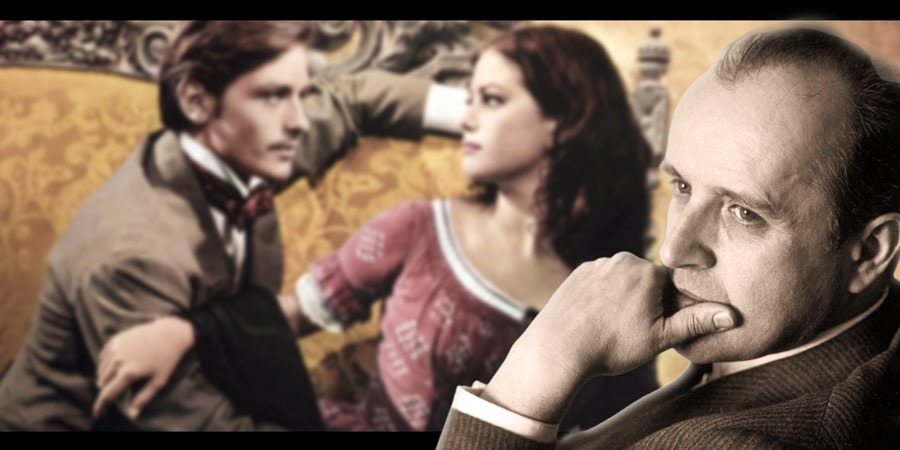
One of the finest examples is Il gattopardo – The Leopard, written for Luchino Visconti’s 1963 film adaptation of The Leopard. Set during the Italian Risorgimento, the story explores political transformation through the experience of a Sicilian aristocratic family. Rota responded with a score that captures both the grandeur of a fading world and the uncertainty of a new one.
Between History and Memory
Il gattopardo occupies a distinctive place within Rota’s catalogue. Although the composer is often remembered for his celebrated film collaborations, this score demonstrates the remarkable breadth of his artistic imagination. For Rota, film music was never merely functional accompaniment. His themes shape characters, situations and historical settings with an autonomy that reaches far beyond the screen.
The work derives much of its power from contrasts. According to Schott, the score balances the splendour of aristocratic domestic scenes with the tensions of civil conflict. Dance music, lyricism and dramatic orchestral writing coexist within a single musical narrative, reflecting both continuity and change.
Rota later transformed the material into an extensive symphonic suite for the concert hall. Bringing together key episodes from the score, the suite preserves the atmosphere of the film while establishing its own formal coherence. Schott describes it as a work distinguished by structural unity and pure tonal beauty.
On 13, 14 and 15 August 2026, Il gattopardo will be performed by the DR Symphony Orchestra at Copenhagen’s DR Concert Hall as the finale of the concert "A Royal Evening at the Symphony". Its continued presence in contemporary concert programming demonstrates how successfully Rota’s music transcends its original cinematic context.