english
  deutsch
  français
World Poetry Day - 21 March
- 20 Mar 2026
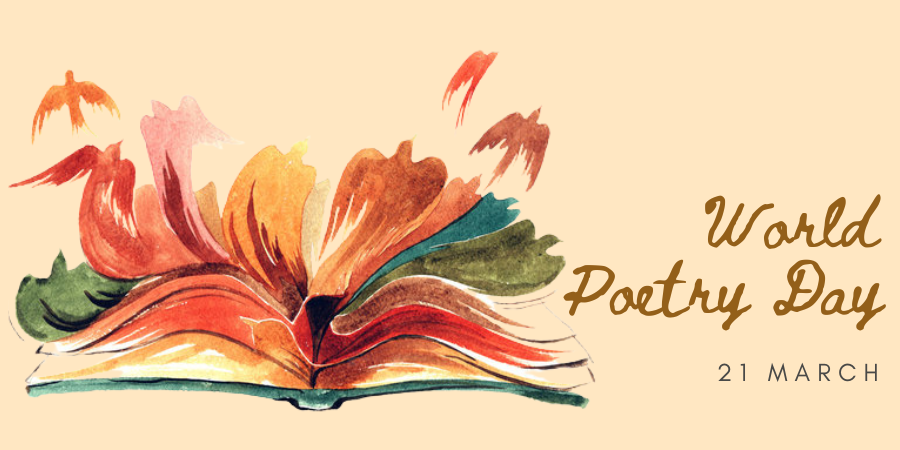
Poetry finds its way into music in all sorts of ways, from composers setting verses directly to music, to instrumental works inspired by poetic imagery and ideas. It’s an adaptable art form, capable of expressing the most intimate emotions as well as vast, philosophical landscapes.
Poetry Set to Music: Words in Sound
Many of our favourite classical works are rooted in poetry. Sometimes the connection is clear and direct: a composer takes a poem and transforms it into song. Schumann's Dichterliebe, for example, brings together music and the words of Heinrich Heine in a cycle that traces love, longing, and heartbreak. Elsewhere, poetry becomes something more expansive. Ravel's Gaspard de la nuit draws on the fantastical prose poems of Aloysius Bertrand, while Britten's Serenade for Tenor, Horn and Strings sets a sequence of English texts that meditate on the theme of night.
Sometimes poetry even shapes works on a symphonic scale. Liszt's Dante Symphony takes its inspiration from Dante’s Divine Comedy, and Beethoven's Symphony No. 9 famously culminates in a setting of Friedrich Schiller’s “Ode to Joy” - a reminder that poetry and music together can express ideas that resonate far beyond the concert hall!
Poetry Beyond Words: Sound as Imagery
But poetry in music isn’t confined to the voice. Many contemporary composers are drawn not just to words themselves, but to the imagery, atmosphere, and emotional worlds that poetry creates.
|
|
In Orion over Farne, John Casken reflects on the writings of Basil Bunting, evoking the Northumbrian night sky in sound. Here, poetry becomes a starting point rather than a script, translated into texture, colour, and space rather than sung text. | 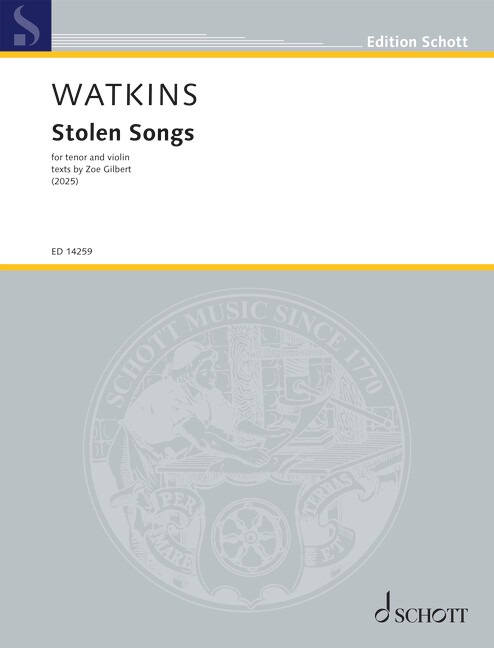 |
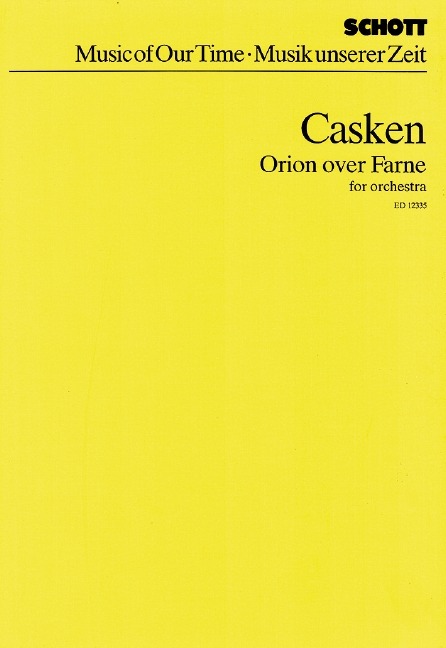
Pieces like Echo and Stolen Songs by Huw Watkins suggest fragments, memories, and resonances, echoing the way poetry can linger in the mind. |
|
|
Similarly, Of the Sun Born by Dobrinka Tabakova creates a rich, mythical feeling. | 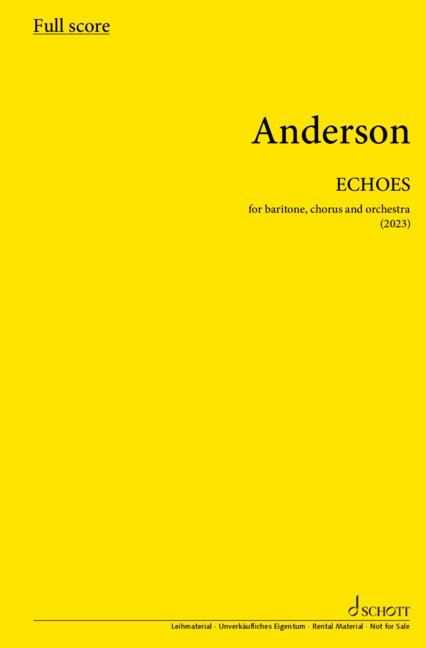 |
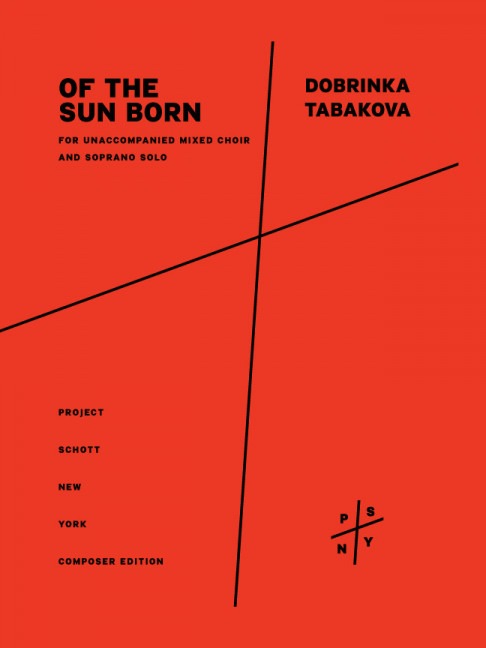
While ECHOES and Life Cycle by Julian Anderson explore ideas of reflection, transformation, and continuity. Concepts that feel inherently poetic, even without a specific text. |
In Love and the Fever, Thomas Larcher sets the poetry of Kenji Miyazawa, whose writings, shaped by personal loss and a profound connection to the landscapes of northern Japan meditate on mortality through the natural world.
Contemporary Voices: Returning to the Poets
Of course, many composers continue to return to poetry in its original form, finding new ways to engage with familiar texts.
Steve Martland draws on the vivid, visionary writing of William Blake in his Horses of Instruction and Tiger Dancing.
Dominque Le Gendre pays tribute to Polish poet Adam Zagajewski in In Praise of the Poet, while Mátyás Seiber’s Three Minnaloushe Songs offers a beautifully crafted response to W. B. Yeats.
A Living Tradition
From the folk-inspired interests of Percy Grainger to the wide-ranging voices of composers working today, the relationship between poetry and music continues to evolve. Whether through sung text or purely instrumental imagination, poetry remains a vital source of inspiration, shaping not just what music says, but how it feels.
This World Poetry Day, it’s worth listening a little differently: not just for melodies and harmonies, but for the poetic ideas behind them.