english
  deutsch
  français
Work of the Week – Richard Wagner: Das Rheingold
- 23 Mar 2026
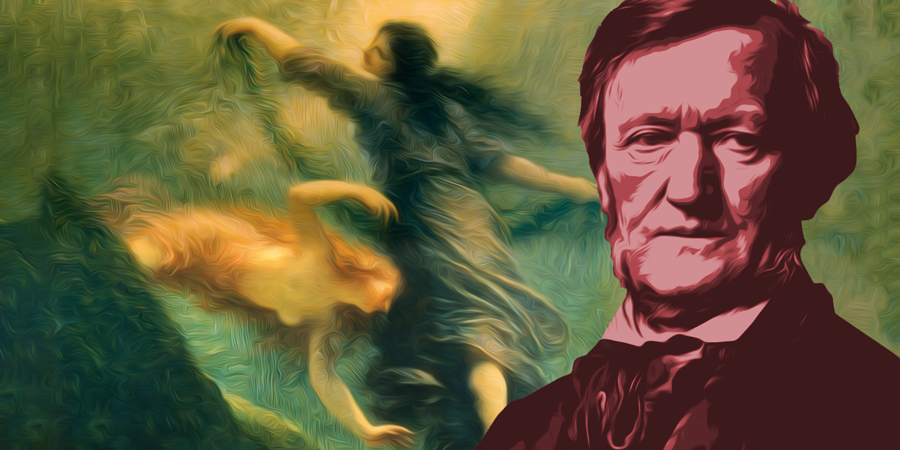
Every now and then, the music world experiences a moment that feels like a collective shift in perspective. On March 27, 2026, when the first low E-flat of the Rhine begins to rumble in Salzburg’s Felsenreitschule, it won’t just be about the drama Das Rheingold on stage. It’s about the sound. With Kirill Petrenko conducting the Berliner Philharmoniker and Kirill Serebrennikov directing, expectations are sky-high. But the real star of the evening is actually hidden in plain sight on the music stands.
Both the Salzburg production and the simultaneous premiere at Staatstheater Meiningen are using the music from the scholarly Richard Wagner Complete Edition. Think of it as a high-definition restoration for the ears. For the first time, decades of accumulated errors and "traditions" have been stripped away to reveal Wagner’s true intentions. It’s the gold standard for anyone serious about how this music should actually sound.
The most authentic version of Wagner's operas
This obsession with precision brings us back to the fascinating, often chaotic relationship between Wagner and his publisher, Schott. Their first contact in 1859 started a journey that was part artistic triumph and part financial headache for Franz Schott and his successor Ludwig Strecker. But without that persistence, we wouldn't have Der Ring des Nibelungen as we know it today. The Complete Works edition is the ultimate tribute to that partnership, ensuring that Wagner’s sonic world remains as vivid as it was 160 years ago.
The celebration continues just a day later in Baden-Baden on March 28 with a new production of Lohengrin. With the brilliant Joana Mallwitz conducting the Mahler Chamber Orchestra and a production by Johannes Erath, it’s yet another showcase for the Complete Works edition. Whether it's the depths of the Rhine or the arrival of the swan, the message is clear: Wagner is being rediscovered, one perfectly edited note at a time.
Learn more: