 français
  deutsch
  english
Giovacchino Rossini
À propos de Giovacchino Rossini
Gioachino Rossini is regarded as one of the most important opera composers of the nineteenth century.
Education and Early Operatic Success
Rossini studied cello, piano and counterpoint at the Liceo Musicale in Bologna from 1806 to 1810. Inspired by the works of Joseph Haydn, Wolfgang Amadeus Mozart and Domenico Cimarosa, he composed his first opera, Demetrio e Polibio, in 1809. His first major successes as an opera composer came with Il signor Bruschino, Tancredi, L'italiana in Algeri (all 1813) and Il turco in Italia (1814). With his masterpiece Il barbiere di Siviglia (1816), which brilliantly showcases his gift for portraying comic characters and situations through music, Rossini achieved international fame. Other major operas followed, including Otello (1816), La Cenerentola (1817), La gazza ladra (1817), Zelmira (1822) and Semiramide (1823).
Compositional Style
Rossini built on the traditions of eighteenth-century Italian opera, drawing on both opera seria and, as exemplified by Il barbiere di Siviglia, opera buffa, while transforming and expanding their expressive possibilities. Structured arias with contrasting tempi, brilliant cabalettas, dramatic choral interventions, sparkling ensemble numbers—especially in the finales—and a more prominent, richly coloured orchestral role became defining features of his style. Combined with clear harmonic language, striking orchestral effects, expressive yet virtuosic vocal writing with increasingly fully notated ornamentation, and a lively, compelling rhythmic drive, these elements shaped an operatic language that profoundly influenced the development of Italian opera, paving the way for Giuseppe Verdi.
Between Italy, Austria and France
Between 1815 and 1823, Rossini premiered many of his operas in Naples. In 1822 he spent time in Vienna, where he was celebrated with great enthusiasm. From 1824 to 1825 he served as director of the Italian Opera in Paris, and from 1826 until 1830 he held the positions of General Director of the King's Music and Inspector General of Singing in France. From 1836 to 1848 he lived in Bologna, where he became director of the Liceo Musicale in 1840. Political developments later led him to Florence before he returned to France in 1855.
Final Stage Works and Other Genres
Rossini completed his final opera, Guillaume Tell, in 1829. With its monumental scale, dramatic grandeur and striking contrasts, it paved the way for French Grand Opera in the tradition later associated with Giacomo Meyerbeer. In addition to his operas, Rossini composed sacred music—including three masses and the Stabat Mater (1832, revised 1842)—as well as orchestral and choral works, piano music and chamber music.
Produits
-
 Gorgheggi e SolfeggiCompositeur: Giovacchino Rossini | Ferdinando PaërMedia Type: PartitionInstrumentation: chant et pianoNuméro du produit: ZO 5001070Format papierFormat papierÉpuisé24,50 €TTC, hors expédition
 -
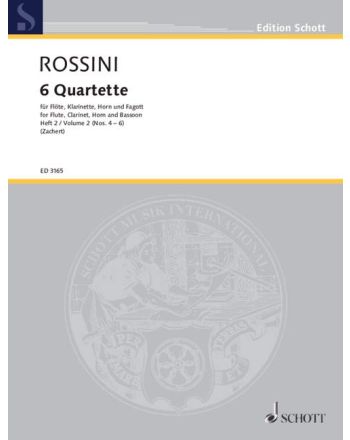 Vol. 2Compositeur: Giovacchino RossiniArrangeur: Frédéric Berr | Walter ZachertEdition: Jeu de partiesSérie: Edition Schott
Instrumentation: flûte, clarinette, cor et bassonNuméro du produit: ED 3165Type de produitEn stockPrix à partir de 25,99 €TTC -
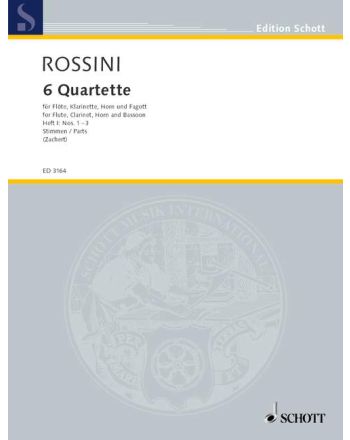 Vol. 1Compositeur: Giovacchino RossiniArrangeur: Frédéric Berr | Walter ZachertEdition: Jeu de partiesSérie: Edition Schott
Instrumentation: flûte, clarinette, cor et bassonNuméro du produit: ED 3164Type de produitEn stockPrix à partir de 25,99 €TTC -
 Compositeur: Giovacchino RossiniEditeur: Edmund Wächter | Elisabeth WeinzierlMedia Type: Partition électronique en PDFInstrumentation: flûte et pianoNuméro du produit: ED 21580 Q20155Partition PDFPartition PDFEn stock3,99 €TTC
 -
 Compositeur: Giovacchino RossiniMedia Type: Partition avec CDInstrumentation: chantNuméro du produit: MMO 4077Format papier + CDFormat papier + CDÉpuisé24,99 €TTC, hors expédition
 -
 OvertureCompositeur: Giovacchino RossiniMedia Type: PartitionEdition: Partition de pocheInstrumentation: orchestreNuméro du produit: ZO 6501311Format papierFormat papierÉpuisé10,95 €TTC, hors expédition
 -
 La CenerentolaMedia Type: Partition électronique en PDFInstrumentation: Alt (Mezzo-Sopran) und KlavierLangue: ItalienNuméro du produit: ED 20897 Q18104Partition PDFPartition PDFEn stock2,99 €TTC
 -
 from the opera "The Barber of Seville"Compositeur: Giovacchino RossiniArrangeur: Wolfgang BirtelMedia Type: Partition électronique en PDFNuméro du produit: ED 21563 Q40309Partition PDFPartition PDFEn stock3,99 €TTC
 -
 from Il Barbiere di Siviglia by RossiniCompositeur: Frédéric Berr | Giovacchino RossiniEditeur: Bodo KoenigsbeckMedia Type: PartitionEdition: Partition et partieInstrumentation: basson et pianoNuméro du produit: ACC1556Format papierFormat papierEn stock13,00 €TTC, hors expédition
 -
 aus "Der Barbier von Sevilla"Compositeur: Giovacchino RossiniMedia Type: PartitionInstrumentation: clarinette et pianoNuméro du produit: CFS 741Format papierFormat papierEn stock9,95 €TTC, hors expédition
 -
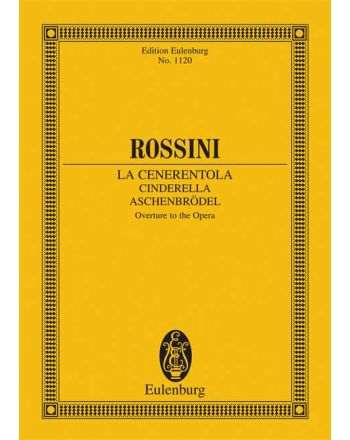 Overture to the OperaCompositeur: Giovacchino RossiniEditeur: Renzo BossiEdition: Partition d'étudeInstrumentation: orchestreNuméro du produit: ETP 1120Type de produitEn stockPrix à partir de 10,99 €TTC
 -
 KatzenduettCompositeur: Giovacchino RossiniMedia Type: PartitionSérie: Simrock Original Edition
Instrumentation: 2 voix et pianoNuméro du produit: EE 3361Format papierFormat papierEn stock12,00 €TTC, hors expédition -
 Compositeur: Giovacchino RossiniMedia Type: PartitionInstrumentation: chant et pianoLangue: ItalienNuméro du produit: ZO 5000804Format papierFormat papierEn stock24,50 €TTC, hors expédition
 -
 Arie aus „Stabat mater"Compositeur: Giovacchino RossiniMedia Type: PartitionEdition: Partition et partieInstrumentation: violon (hautbois) et pianoNuméro du produit: CFS 1871Format papierFormat papierEn stock9,95 €TTC, hors expédition
 -
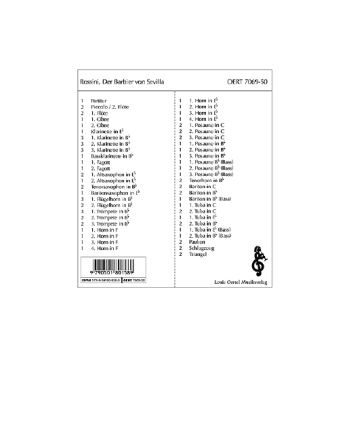 OvertureCompositeur: Giovacchino RossiniArrangeur: E. Schmidt-KöthenEdition: Partition et parties, mit Benelux-Stimmen und Schweizer StimmenInstrumentation: orchestre d'instruments à ventNuméro du produit: OERT 7069-50Type de produitEn stockPrix à partir de 136,99 €TTC
 -
 OvertureCompositeur: Giovacchino RossiniArrangeur: E. Schmidt-KöthenEdition: PartitionInstrumentation: orchestre d'instruments à ventNuméro du produit: OERT 7069Type de produitEn stockPrix à partir de 13,99 €TTC
 -
 Frag ich mein beklommnes HerzCompositeur: Giovacchino RossiniEditeur: Wilhelm LutzInstrumentation: soprano et pianoNuméro du produit: ED0 9545Type de produitEn stockPrix à partir de 4,99 €TTC
 -
 OvertureCompositeur: Giovacchino RossiniArrangeur: Peter SchubertMedia Type: PartitionEdition: Partition et partiesSérie: clarinet quartet
Instrumentation: 4 clarinettes (2 clarinettes en si bémol, cor de bassett (ou clarinette en si bémol ou alto-clarinette en mi bémol) et clarinette basse en si bémol)Numéro du produit: ADV 8433Format papierFormat papierEn stock20,00 €TTC, hors expédition -
 Einführung und KommentarCompositeur: Giovacchino RossiniAuteur: Kurt PahlenMedia Type: LivreEdition: LivretSéries: Operas of the world
Series Music
Langue: Allemand, ItalienNuméro du produit: SEM 8016LivreLivreEn stock13,00 €TTC, hors expédition -
 From ‘Tancredi’Compositeur: Giovacchino RossiniEditeur: Francesca LicciardaMedia Type: Partition électronique en PDFInstrumentation: Stimme (Mezzo-Sopran)Langue: ItalienNuméro du produit: ED 21420 Q11074Partition PDFPartition PDFEn stock2,99 €TTC
 -
 Ouverture pour l'opéraCompositeur: Giovacchino RossiniEditeur: Lionel SalterEdition: Partition d'étudeInstrumentation: orchestreNuméro du produit: ETP 686Type de produitEn stockPrix à partir de 9,99 €TTC
 -
 Ouverture pour l'opéraCompositeur: Giovacchino RossiniEdition: Partition d'étudeInstrumentation: orchestreNuméro du produit: ETP 1110Type de produitEn stockPrix à partir de 9,99 €TTC
 -
 Arie des Bailio aus "Der Barbier von Sevilla"Compositeur: Giovacchino RossiniSérie: Operngesänge, 168
Instrumentation: basse et pianoNuméro du produit: RL29680Type de produitEn stockPrix à partir de 5,99 €TTC -
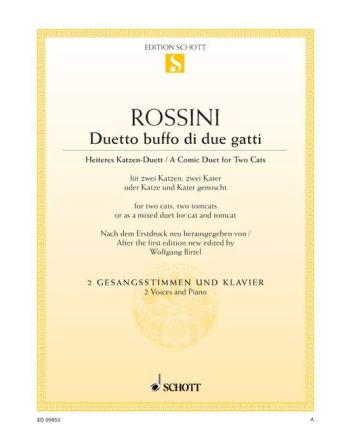 Le Duo des chatsCompositeur: Giovacchino RossiniEditeur: Wolfgang BirtelInstrumentation: 2 voix et pianoNuméro du produit: ED0 9853Type de produitEn stockPrix à partir de 3,99 €TTC
 -
 From ‘Il barbiere di Siviglia’Compositeur: Giovacchino RossiniEditeur: Francesca LicciardaMedia Type: Partition électronique en PDFInstrumentation: ténor et pianoLangue: ItalienNuméro du produit: ED 21422 Q11106Partition PDFPartition PDFEn stock2,99 €TTC
 -
 Vol. 1Compositeur: Wolfgang Amadeus Mozart | Giovacchino RossiniEditeur: Gregory T. S. WalkerMedia Type: PartitionInstrumentation: flûte à bec sopranoNuméro du produit: ED 10174Format papierFormat papierEn stock3,95 €TTC, hors expédition
 -
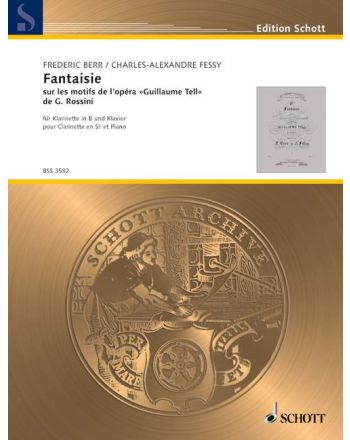 sur les motifs de l'opéra "Guillaume Tell" de G. RossiniCompositeur: Giovacchino RossiniEditeur: Frédéric Berr | Charles-Alexandre FessySérie: Schott Archive
Instrumentation: clarinette en si bémol et pianoNuméro du produit: BSS 3582Type de produitEn stockPrix à partir de 11,99 €TTC -
 Compositeur: Giovacchino RossiniMedia Type: Partition électronique en PDFLangue: Allemand, DanoisNuméro du produit: ED 23311 Q53274Partition PDFPartition PDFEn stock3,99 €TTC
 -
 Compositeur: Giovacchino RossiniMedia Type: PartitionInstrumentation: 2 corsNuméro du produit: EE 3088Format papierFormat papierEn stock10,00 €TTC, hors expédition
 -
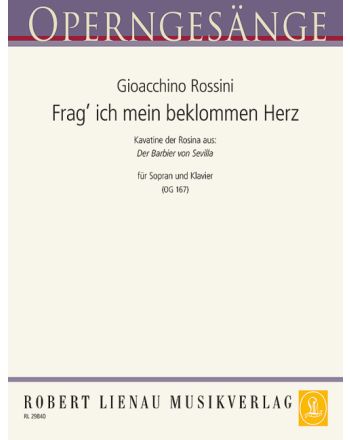 Kavatine der Rosina aus "Der Barbier von Sevilla"Compositeur: Giovacchino RossiniSérie: Operngesänge, 167a
Instrumentation: soprano et pianoNuméro du produit: RL29840Type de produitEn stockPrix à partir de 5,99 €TTC -
Kavatine der Rosina aus "Der Barbier von Sevilla"Compositeur: Giovacchino RossiniMedia Type: PartitionSérie: Operngesänge, 167
Instrumentation: soprano et pianoLangue: Allemand, ItalienNuméro du produit: RL29830Format papierFormat papierEn stock8,00 €TTC, hors expédition -
 eingerichtet von Rudi KöhlerCompositeur: Felix Mendelssohn Bartholdy | Giovacchino Rossini | Louis Spohr | Friedrich Hieronymus Truhn | Richard WagnerMedia Type: PartitionEdition: Partition et partiesNuméro du produit: EE 5458Format papierFormat papierEn stock24,00 €TTC, hors expédition
 -
 OvertureInstrumentation: pianoNuméro du produit: ED0 1771Type de produitEn stockPrix à partir de 4,99 €TTC
 -
 de: Guillaume Tell, OuvertureArrangeur: Hans-Günter HeumannCompositeur: Giovacchino RossiniMedia Type: Partition électronique en PDFInstrumentation: pianoNuméro du produit: ED 23853 Q779472Partition PDFPartition PDFEn stock1,99 €TTC
 -
arrangiert für Kammerensemble von Michael Rot (2016)Compositeur: Giovacchino RossiniArrangeur: Michael RotMedia Type: Partition électronique en PDFEdition: Partition et partiesInstrumentation: clarinette, basson et pianoNuméro du produit: DVGH 976-71 Q52784Partition PDFPartition PDFEn stock29,99 €TTC
-
 Compositeur: Giovacchino RossiniArrangeur: Akine SakanushiMedia Type: PartitionSérie: zen-on piano library
Instrumentation: piano à 4 mainsNuméro du produit: ZO 141101Format papierFormat papierÉpuisé21,50 €TTC, hors expédition -
 Kantate für Tenorsolo, Männerchor (TTB) und OrchesterCompositeur: Giovacchino RossiniEditeur: Lorenzo TozziMedia Type: Matériel en location / d'exécutionEdition: Matériel d'exécutionLangue: ItalienMatériel en location / d'exécutionMatériel en location / d'exécution
 -
OuvertüreCompositeur: Giovacchino RossiniEditeur: Ludwig LandshoffMedia Type: Matériel en location / d'exécutionEdition: Matériel d'exécutionInstrumentation: orchestreMatériel en location / d'exécutionMatériel en location / d'exécution
-
Komische Oper in zwei BildernCompositeur: Giovacchino RossiniMedia Type: Matériel en location / d'exécutionEdition: Matériel d'exécutionLangue: Allemand, ItalienMatériel en location / d'exécutionMatériel en location / d'exécution
-
 for clarinet and orchestraCompositeur: Giovacchino RossiniEditeur: Jost MichaelsMedia Type: PartitionEdition: Réduction pour pianoSérie: ars instrumentalis, 35
Instrumentation: clarinette, orchestreNuméro du produit: SIK0551 KFormat papierFormat papierEn stock15,50 €TTC, hors expédition -
per soli, coro maschile e orchestraCompositeur: Giovacchino RossiniMedia Type: Matériel en location / d'exécutionEdition: Matériel d'exécutionMatériel en location / d'exécutionMatériel en location / d'exécution
-
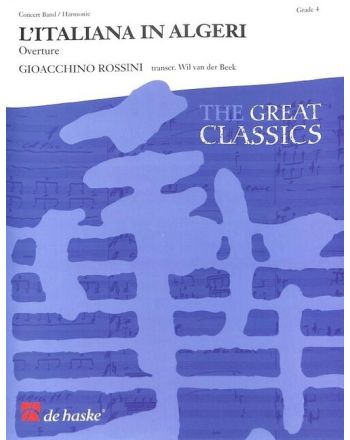 OvertureCompositeur: Giovacchino RossiniArrangeur: Wil van der BeekMedia Type: PartitionEdition: Partition et parties, Great ClassicsInstrumentation: orchestre d’instruments à ventNuméro du produit: DHP 1084189-010Format papierFormat papierÉpuisé174,99 €TTC, hors expédition
 -
Comic opera in 2 acts by Angelo AnelliCompositeur: Giovacchino RossiniArrangeur: Robert WernerMedia Type: PartitionEdition: Réduction pour pianoLangue: AllemandNuméro du produit: BB 6600179Format papierFormat papierEn stock34,00 €TTC, hors expédition
-
 An Italian Girl In AlgiersCompositeur: Giovacchino RossiniArrangeur: Andrew DabczynskiMedia Type: PartitionEdition: Partition et parties, Apex String OrchestraInstrumentation: orchestre à cordesNuméro du produit: KN 37551Format papierFormat papierEn stock81,50 €TTC, hors expédition
 -
 From ‘Il barbiere di Siviglia’Compositeur: Giovacchino RossiniEditeur: Francesca LicciardaMedia Type: Partition électronique en PDFInstrumentation: Stimme (Bass)Langue: ItalienNuméro du produit: ED 21419 Q10882Partition PDFPartition PDFEn stock2,99 €TTC
 -
"O caritade, virtù del cor" - "O du Erbarmen, du Herzensmacht"Compositeur: Giovacchino RossiniEditeur: Jürgen JürgensEdition: Partition de choeurInstrumentation: choeur de femmes (SMezA) avec soprano-seul et pianoNuméro du produit: ED 7655-01Type de produitEn stockPrix à partir de 2,99 €TTC
-
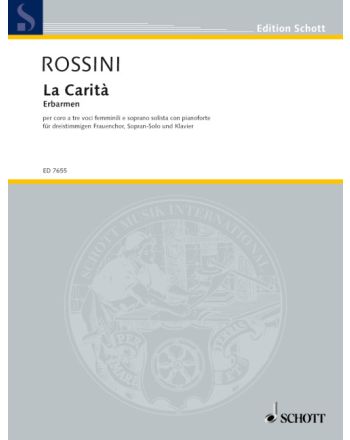 "O caritade, virtù del cor" - "O du Erbarmen, du Herzensmacht"Compositeur: Giovacchino RossiniEditeur: Jürgen JürgensEdition: Partition, (= Klavierstimme)Série: Edition Schott
Instrumentation: choeur de femmes (SMezA) avec soprano-seul et pianoNuméro du produit: ED 7655Type de produitEn stockPrix à partir de 13,99 €TTC -
"Wo im frohen Zecherkreise"Compositeur: Giovacchino RossiniArrangeur: J. FischerEdition: Partition, (= Klavierstimme)Série: Schott Choral Music
Instrumentation: choeur d'hommes et piano ou orchestreNuméro du produit: C 39098Type de produitEn stockPrix à partir de 3,99 €TTC -
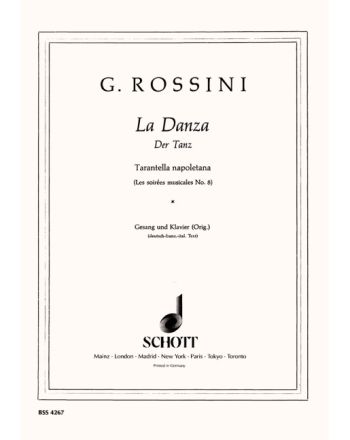 Tarantella napoletanaType de produitEn stockPrix à partir de 9,99 €TTC
 -
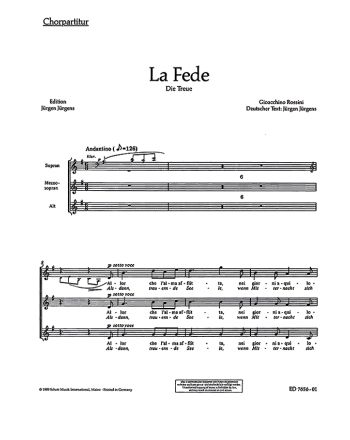 "Allor, che l'alma afflitta" - "Alsdann, trauernde Seele"Compositeur: Giovacchino RossiniEditeur: Jürgen JürgensEdition: Partition de choeurInstrumentation: choeur de femmes (SMezA) avec pianoNuméro du produit: ED 7656-01Type de produitEn stockPrix à partir de 2,99 €TTC