english
  deutsch
  français
Carl Orff: Celebrating 130 Years
- 10 Jul 2025
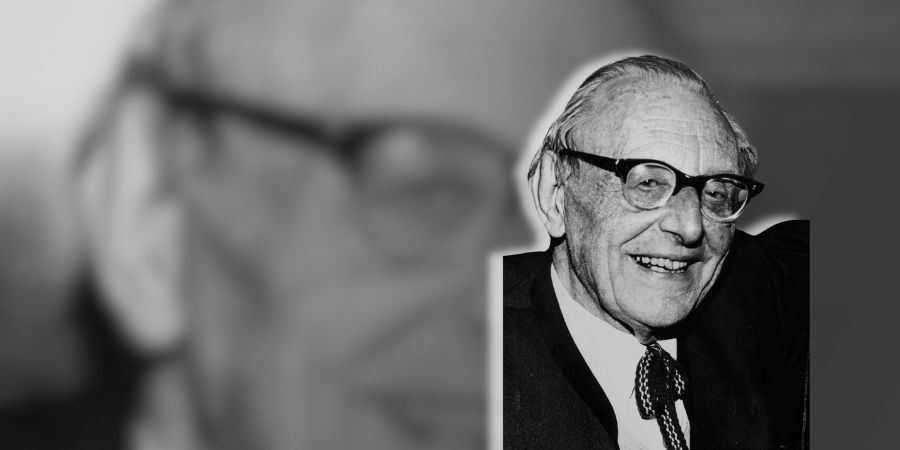
On July 10, 2025, we commemorate the 130th anniversary of the birth of Carl Orff, one of the most influential composers and music educators of the 20th century. Renowned for his captivating composition "Carmina Burana", and as the intellectual father of the internationally adopted Orff Schulwerk, Orff left a lasting impact on music and education far beyond Germany’s borders. To mark the occasion, we take a look at his life, musical legacy, and the continued relevance of his music education philosophy today.
Carl Orff: A Life Dedicated to Music
Childhood and Early Works
Carl Orff was born in 1895 in Munich, and displayed musical talent at an early age. He began playing piano at the age of five, later learning cello and organ. In 1911, at just sixteen years old, he published his first work, "Eiland, ein Sang vom Chiemsee", even before taking any formal courses in music theory.
His years of study at the Munich Academy of Music were decisive for his artistic development. Particularly formative were his intensive explorations of early masters such as Monteverdi and Buxtehude, as well as his focus on language and rhythm as central elements of musical expression. In 1924, as co-founder of the Günther School for gymnastics, music, and dance in Munich, Orff took on the leadership of the department for dance-based music education. There, he found the ideal environment to experiment and develop what would become the Orff Schulwerk, or the "Orff Approach".
Carmina Burana: A Global Success with Medieval Roots
Carl Orff’s most famous composition is, without doubt, "Carmina Burana", a powerful scenic cantata based on a medieval manuscript from the monastery of Benediktbeuern. With its archaic harmonies, gripping rhythms, and the iconic “O Fortuna” chorus, it remains one of the most performed classical works worldwide. The blend of medieval texts and dramatic music continues to fascinate audiences today, a perfect example of Orff’s concept of music theatre as a Gesamtkunstwerk (total work of art). "Carmina Burana" is part of the "Trionfi" trilogy ("Carmina Burana" – 1936, "Catulli Carmina" – 1943, and "Trionfo di Afrodite" – 1951).
Orff Schulwerk: A Revolution in Music Education
Music for Children through Movement, Language, and Improvisation
With the Orff Schulwerk, the first volume of which appeared in 1950 under the title "Music for Children", Carl Orff and Gunild Keetman revolutionised music education. The combination of music, speech, and movement formed the basis for a new, child-centered approach to teaching music, which was adopted all over the world.
The Schulwerk was introduced in over 40 countries and influenced educational methods globally. Though some of the original volumes may now seem outdated, the core principles of the Orff Schulwerk continue to thrive in elementary music education, particularly through Orff instruments, still widely used in schools and music programs.
Reimagined: The Orff Schulwerk in the 21st Century
With the publication series "Teaching Orff", the original concept has been given a modern update. Instead of rigid notation, today’s focus is on improvisation, creative freedom, and the interplay of music, language, and movement. New forms of notation, modular lesson structures, and diverse applications have made the Orff Schulwerk relevant once again for contemporary music education.
Theatre, Language, Rhythm: Orff’s Artistic Vision
From the beginning, Orff’s music was text-driven. He sought to create a holistic experience by uniting music, theatre, and dance. Works like "Antigonae" and "Prometheus" reflect his deep fascination with Greek drama. Moved by the richness of regional dialects, he even composed in Old Bavarian, as in "Die Bernauerin".
What stands out in particular is the way Orff embedded language into his music, not as an accompaniment, but as an equal component, often forming the rhythmic foundation of his compositions.
Honours and Legacy
Carl Orff received numerous honours, including honorary doctorates from the universities of Tübingen and Munich, the Grand Cross of Merit with Star and Sash of the Federal Republic of Germany, and the Romano Guardini Prize. He was made an honorary citizen of Munich and a member of the Order Pour le Mérite for Science and Arts.
His artistic legacy lives on at the Carl Orff Museum in Dießen am Ammersee. Many schools and music institutions around the world bear his name, a testament to the enduring impact of his work. Even 130 years after his birth, Carl Orff remains a milestone figure in music and education. His compositions captivate with their raw, elemental power, and his educational ideas with their alignment to the child's experience and creative freedom. His birthday is not only a time to remember, but an invitation to rediscover his work, both on stage and in the classroom.
More on Carl Orff
|
|
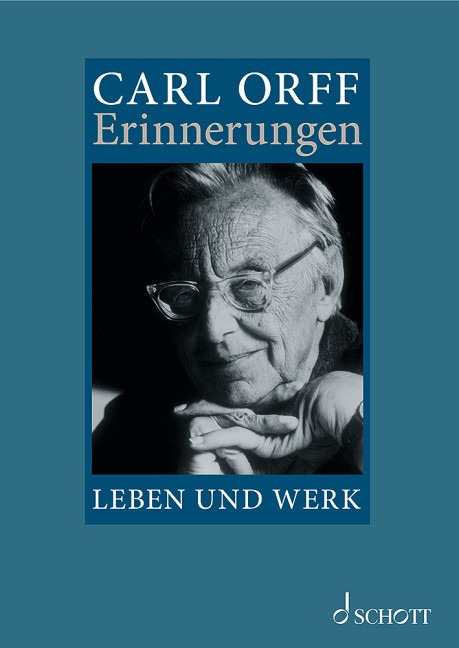
Carl Orff ErinnerungenLeben und WerkIn his later years, Carl Orff worked on an extensive documentation of his life and work. Published between 1975 and 1983 in eight volumes, it included his personal recollections as well as analytical essays from those around him. This edition presents Orff’s autobiographical texts in a compact and accessible format, offering a comprehensive picture of how Orff saw himself, shaped by the historical events of the 20th century.
|
|
|
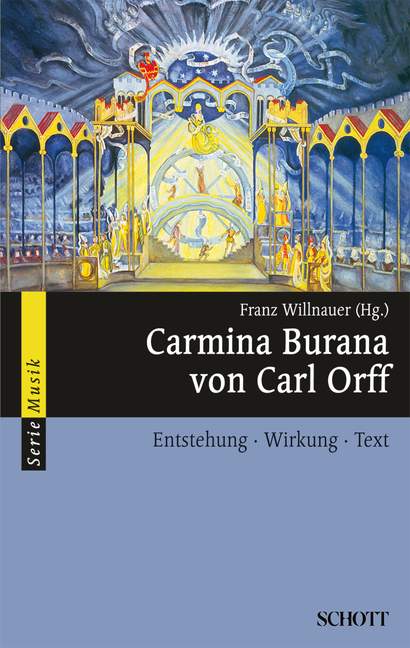
Carmina Burana von Carl OrffFranz WillnauerWhat kind of music must this be; music without which Henry Maske wouldn’t enter the boxing ring, which Michael Jackson included in his stage shows, and which is still used in charity events and commercials? At the time of its creation, it was interpreted and tolerated as a work of veiled subversion; seventy years later, it was misjudged and criticised as evidence of the composer’s conformity. Nothing demonstrates the timelessness of this seemingly ahistorical piece better than the unique history of its reception. Despite the Latin texts making it difficult to understand, "Carmina Burana" is today one of the most performed works in the world. This book, drawing on Orff’s own writings, traces its creation and influence, and explores the growing popularity of "Carmina".
|
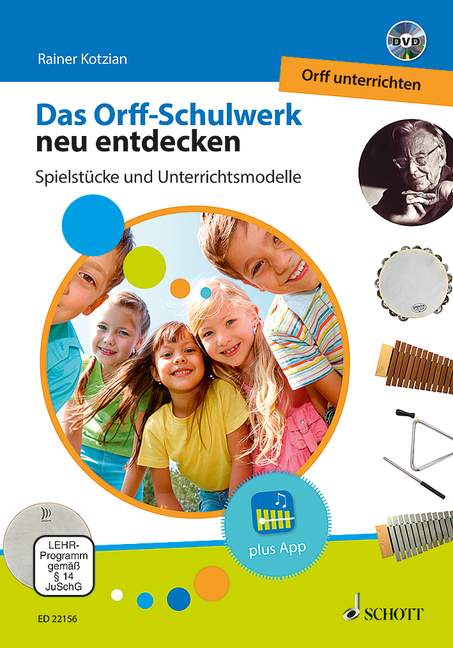 |
Das Orff-Schulwerk neu entdeckenRainer KotzianLesson models for 15 pieces from the Orff Schulwerk show how children aged 4 to 10 can joyfully engage with music. Clear notation, accompanying audio examples, and numerous PDFs support lesson planning and making music together. Video clips illustrate how the individual parts are played and how they sound together. The free app "Play Orff" is also available, allowing children and adults to play, arrange, and compose digitally.
|