english
  deutsch
  français
Work of the Week – Anthony Davis: Pancho Rabbit and the Coyote
- By Christopher Peter
- 11 Jan 2026
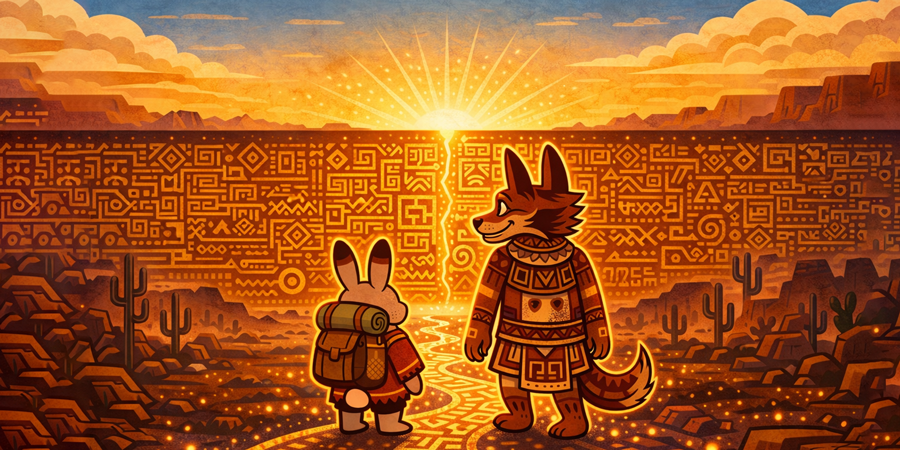
The border between the U.S. and Mexico is far more than a line on a map—it is a deeply emotional space where political tension meets profound cultural ties. On January 17, 2026, this space will become the stage for an extraordinary music theater project at the Southwestern College Performing Arts Center in Chula Vista: the world premiere of Anthony Davis’s chamber opera Pancho Rabbit and the Coyote. The work translates the often dehumanized debate over migration into the timeless form of an animal fable, explicitly addressing a bilingual audience on both sides of the border.
A Rabbit Crossing Borders: From Picture Book Fable to the Opera Stage
The opera is based on Duncan Tonatiuh’s award-winning 2013 children’s book. Tonatiuh, who is at home in both Mexico and the U.S., tells the story of young Pancho Rabbit, who embarks on a dangerous journey to find his father. His father had left for the north two years earlier to earn money for the family. The story is a complex allegory for the fate of undocumented migrants: the "Coyote" is not just an animal here, but also the term for the shadowy smugglers who often demand a cruel price for their help.
Anthony Davis: A Voice for Social Justice
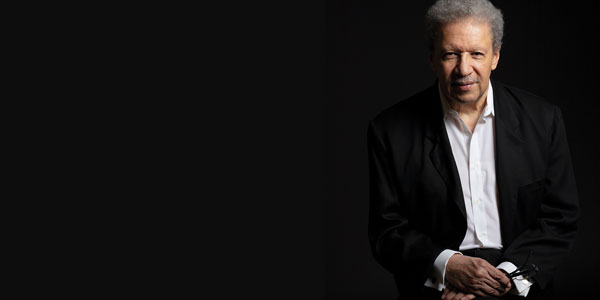
In Anthony Davis, the material is handled by one of today’s most distinguished composers. Davis, who won the Pulitzer Prize in 2020 for The Central Park Five, has redefined opera in the U.S. as a medium for political analysis and social justice. His style is a virtuoso synthesis of classical tradition, jazz, blues, and hip-hop. For Pancho Rabbit, he created a score that alternates between cinematic tension and lyrical arias. He utilizes hybrid instrumentation: marimba and vibraphone meet trumpets and accordion to capture the soundscape of the border region between norteño music and rock.
Binational Identity and Magical Realism
The opera is consistently bilingual. The libretto by Allan Havis and Spanish texts by Laura Fuentes allow English, Spanish, and typical border slang to flow into one another. Davis himself describes the work as "magical" and "surreal"—in the tradition of Prokofiev’s Peter and the Wolf or Orwell’s Animal Farm. The visual and symbolic levels are particularly striking: a children’s choir embodies monarch butterflies that migrate every year regardless of political borders, while the main characters often play double roles, personifying natural phenomena like the "River" or the dangerous "Tunnel."
The Premiere Team
The production is backed by Bodhi Tree Concerts, an organization that sees music as a tool for social change. The director is Octavio Cardenas, originally from Guadalajara, known for his visceral and physical productions. The leading roles features Mexican soprano Mariana Flores Bucio as Pancho and the versatile tenor Victor Ryan Robertson as the Coyote—a singer who has already achieved success in Davis’s Malcolm X at the Met. After the premiere in California, the work will be shown in Tijuana on January 31, 2026, underscoring the binational character of this project.
Learn more:
Pancho Rabbit and the Coyote: Work Page
Composer Profile: Anthony Davis
illustration created with artificial intelligence, photo Anthony Davis: Michelle Zousmer