english
  deutsch
  français
Work of the Week – Enjott Schneider: Kabbala – The Paths of Light
- By Christopher Peter
- 21 Sep 2025

Main text: What connects the mystical Jewish heritage of the SchUM sites of Speyer, Worms, and Mainz with the award-winning film music composer Enjott Schneider? It is the new oratorio Kabbala – The Paths of Light, which will have its world premiere on September 27, 2025, at Speyer Cathedral. This oratorio is the centerpiece of a special concert series honoring the musical heritage of the three UNESCO World Heritage Sites.
Since 2021, the SchUM sites of Speyer, Worms, and Mainz have been recognized as Germany's first Jewish UNESCO World Heritage. "SchUM" is an acronym for the Hebrew names of the three cities (Shpira, Warmaisa, Magenza), which were considered the cradle of Ashkenazi culture from the 11th to the 14th century. The concert series is a tribute to this unique history, combining Schneider's new work with another significant work inspired by Jewish roots: Leonard Bernstein's Chichester Psalms.
From screen composer to musical mystic
Enjott Schneider is a name not immediately associated with sacred music. As one of Germany's most prominent composers, he has scored over 150 cinema and television films throughout his career. He has won numerous awards for his work on films such as Brother of Sleep and Herbstmilch. His music is often known to a broad audience without them knowing his name.
However, in addition to the film industry, Schneider is also a masterful composer for the concert stage. His oratorio Kabbala – The Paths of Light reveals another facet of his work. The libretto, compiled by him in Hebrew from biblical words and psalms, is dedicated to the Kabbalah, the "soul of Judaism." It explores the mystical light that permeates creation and the search for the divine spark in human life.
Magic of sound: A spiritual journey into the soul of Judaism
The oratorio is written for an altus, a mixed choir, a solo violin, and an orchestra. A particularly prominent role is given to the solo violin, played by Ingolf Turban. A fascinating detail: the violin was made from 30,000-year-old Kauri wood from New Zealand, which, according to Turban, gives it a magical and unique sound. Under the musical direction of Dieter Hauß and the choirs (Mozartchor Speyer, Wormser Kammerensemble, Ensemble Chordial), the work promises to be a spiritually and sonically exceptional experience.
Following the world premiere on September 27 in Speyer Cathedral, the concert series will continue on November 8 in Worms' Dreifaltigkeitskirche and on November 9 in Mainz's Christuskirche.
Learn more:
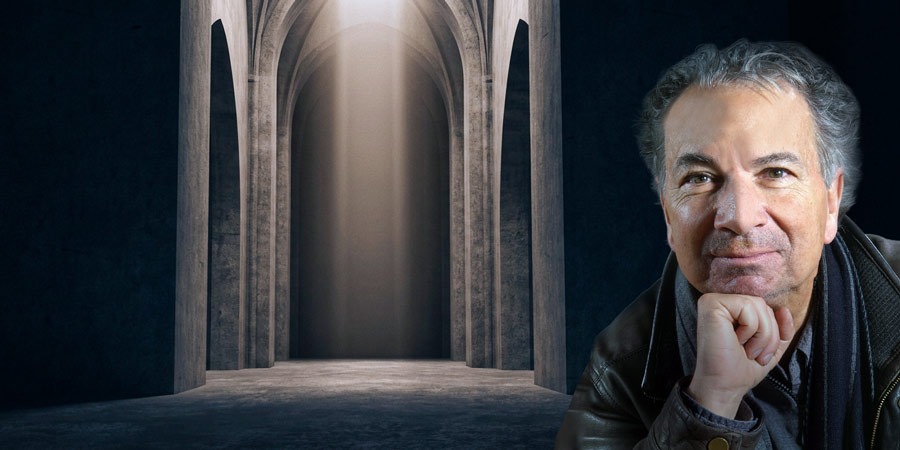
photo Enjott Schneider: Manfred Schneider, background created with assistance of artificial intelligence